 WorkshopSold out
Sound + Visual
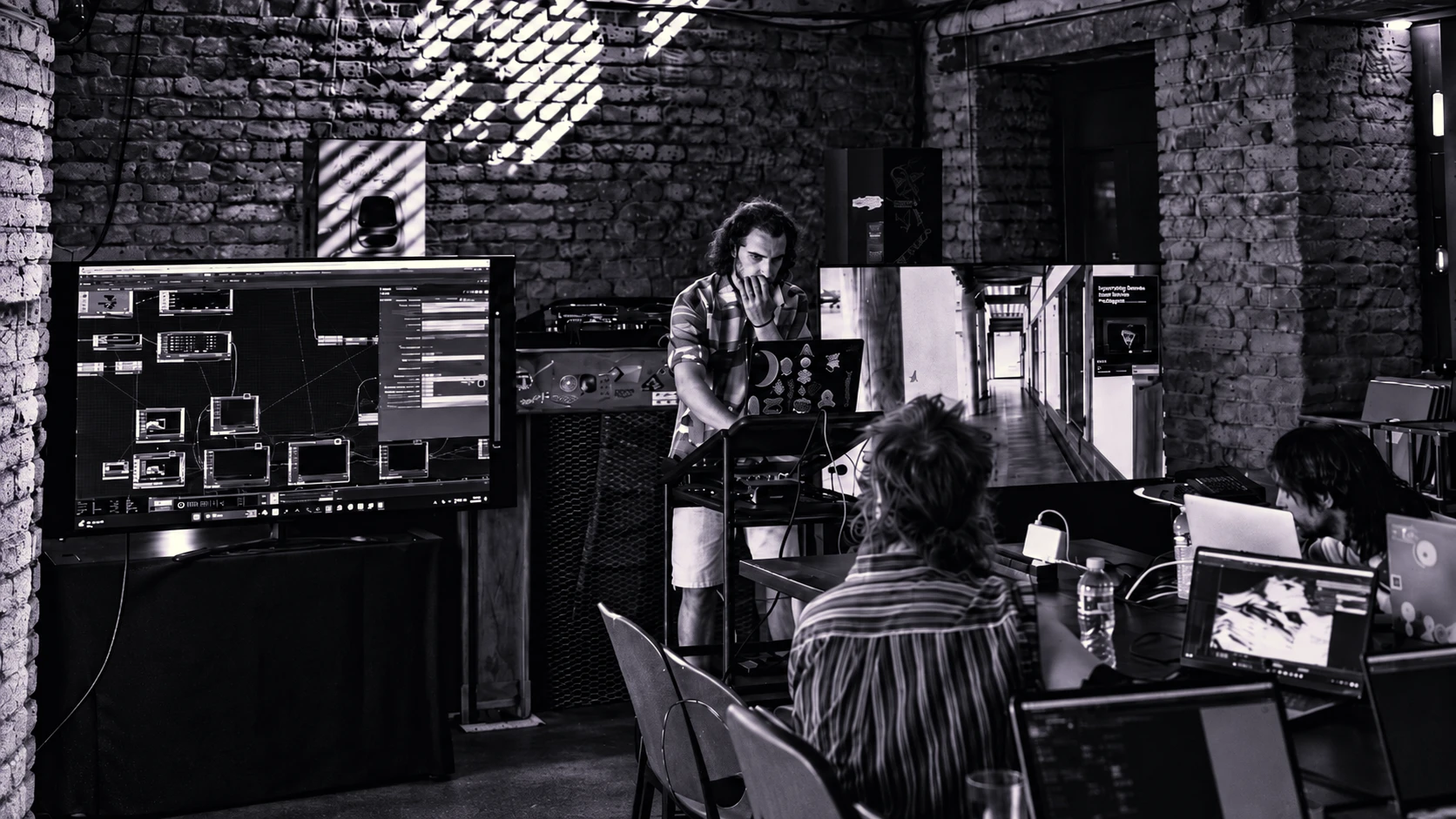
Let’s Touchdesign: Beginner Workshop
- Tue 6 Oct 2026
- 16:00
Luka PapashviliMultimedia artist
About this talk
In 1958, just four months after the launch of Sputnik and President Eisenhower’s establishment of NASA, Stanford engineering professor John Arnold gave a speech arguing that design engineering should be human-centered.
At the time, Arnold’s proposal was highly unconventional. During the Cold War, engineers were largely focused on two priorities: winning the Space Race and optimizing the hydrogen bomb.
Inspired by Arnold’s ideas, mechanical engineering professor Bob McKim, with the help of art professor Matt Kahn, created an engineering program called Product Design.
Through this program, McKim and others contributed to the development of the design thinking process, which later helped lay the foundation for Stanford’s d.school. Design thinking also became a core methodology for companies such as IDEO.
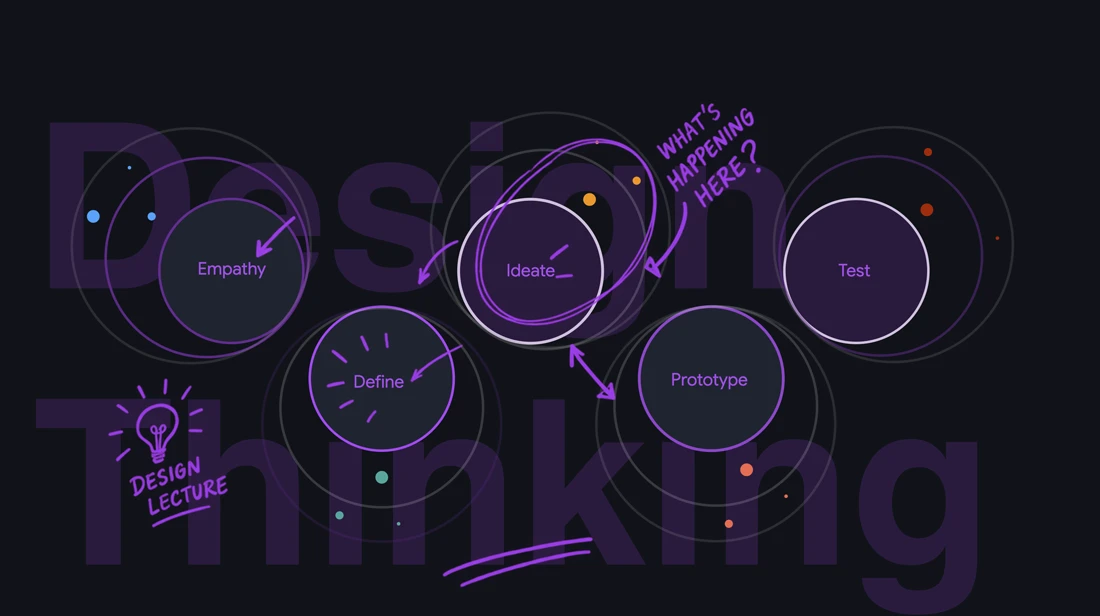
The design thinking process is not linear, and there is no single prescribed way to follow it. It is an iterative system with many variations. However, Stanford’s d.school teaches a well-tested process that provides a practical starting point for tackling problems of any level of complexity.
What you’ll explore
What you’ll take away
After this talk, you will have a better understanding of how great products are created and how the design thinking methodology laid the foundation for a process that teaches us to focus on people’s needs.
About the mentor
In the world of product design, leading a team of specialists focused on design systems. The design freak deeply involved in arts, crafts, and the nuanced world of music and sound. An avid cyclist, I thrive on offroad and downhill challenges.
Come make it with us
Keep exploring
WorkshopSold outSound + Visual
 Workshop
Sound + Visual
Freeregistration required
Book a spot →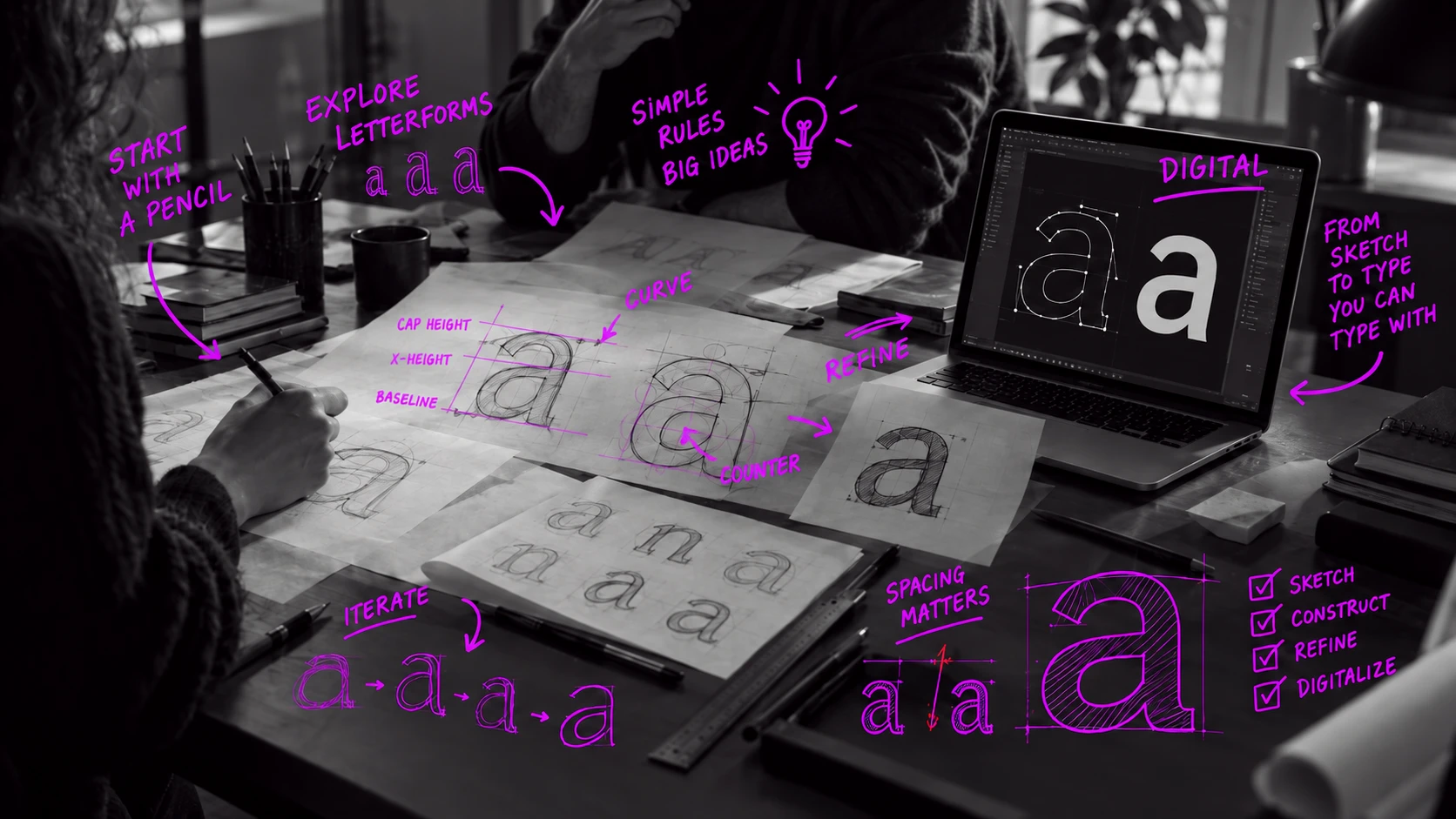 Workshop
Typography